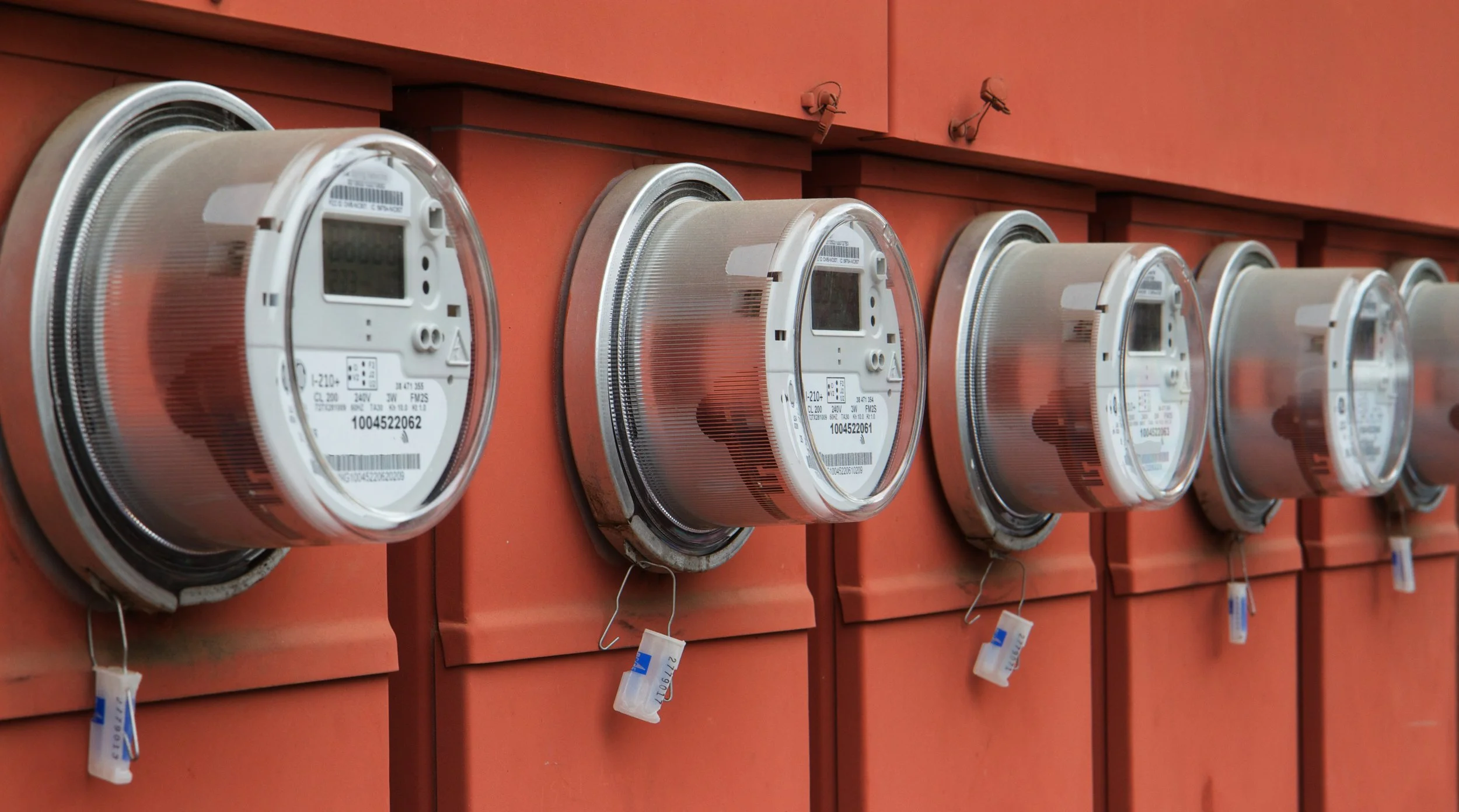
With over 13 million Americans experiencing “dangerous” heat levels this week, we are reminded of how the cracks in our infrastructure begin to show as the mercury rises, like distribution transformers failing at sustained 110F temperatures, as happened in Spokane, WA during a previous “heat dome” event.
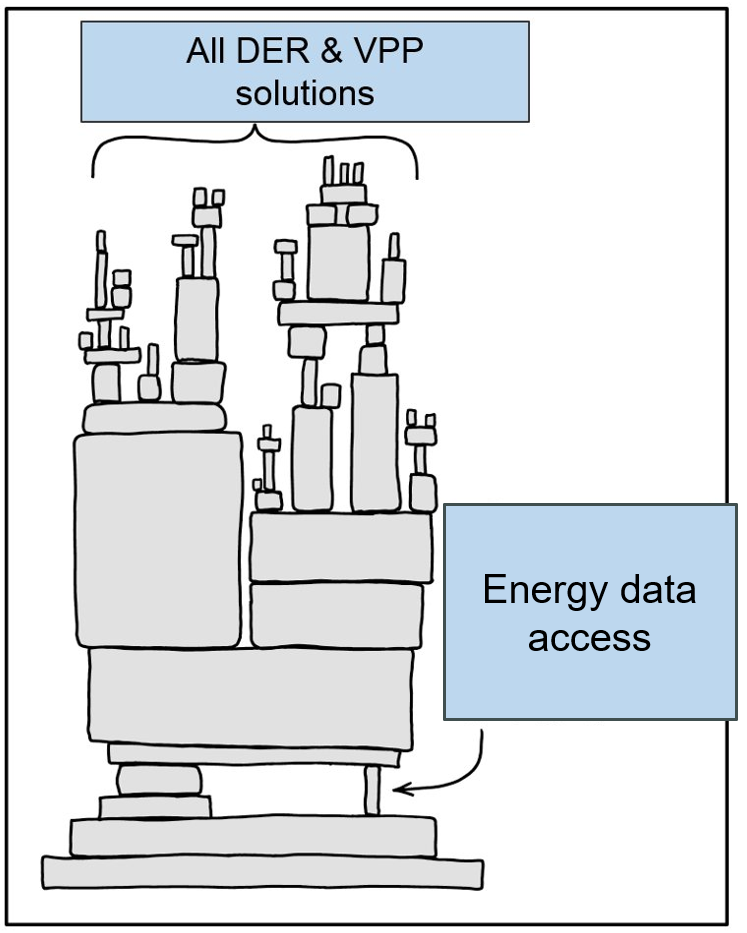
Energy data is infrastructure, too – and just because it’s digital doesn’t mean it’s immune from strain during a heat wave. Here are four ways our data infrastructure is crumbling, showing us that investments are sorely needed.
Today, Mission:data announced its first Green Button Scorecard™ release covering the terms and conditions of data portability for 15 utilities in Ontario, Canada.
Data recipients are forced to agree to the utilities’ terms and conditions in order to be granted access to customer’s energy usage, billing and account information. The terms and conditions have been disputed since O. Reg. 633/21 took effect November 1, 2023, which required local distribution utilities to offer Green Button Connect My Data (GBCMD). Energy management firms and Mission:data have noted that, because utilities’ terms are not individually approved by the Ontario Energy Board (OEB), monopoly utilities can use their power to demand one-sided contracts with unfair or anti-competitive provisions.
Findings include:
With a 1-to-5 scale (1=lowest, 5=highest), scores ranged from 2.1 (Bluewater Power Distribution) to 3.5 (Alectra Utilities, non-Guelph region).
The University of New Brunswick (UNB) is the first Canadian university to work with large volumes of utility billing and metering data from multiple utilities. This research seeks to determine whether this newly available data differs from historical data in terms of accuracy, completeness, and consistency with other available sources. A critical aspect of the investigation is to ensure that the quality of the data does not compromise Ontario’s efforts to decarbonize its economy, as unreliable data can obstruct clean energy solutions such as energy conservation and demand management planning, demand response, and virtual power plants.
We developed a first-ever interactive demonstration, the Green Button Consent Toolkit. Users can input different scenarios and see what the customer sees: the accounts to be selected, the amount of historical data to be shared, and disclaimers to be presented.
Today, the Green Button market opened in Ontario, and Mission:data Coalition announces its intention to evaluate the quality of each electric and gas utility’s Green Button implementation. The forthcoming Green Button Scorecard™ is designed with three purposes in mind: (1) to provide the market with a centralized information resource about each utility’s offerings, (2) to provide metrics for continuous improvement as Ontario embarks on its journey toward energy data portability, and (3) to provide the government, utilities, third parties and utility accountholders with a platform to work together to serve the common goals of open data, competition and energy savings.
Last week the Biden Administration announced a tectonic rule that would, when finalized, mandate data portability across the entire banking system.
The question we’ve been asking is: Will Biden’s Department of Energy do the same for electricity and natural gas utilities?
Last month, we presented to the DER Task Force about data accessibility, Smart Meters v2.0 and anti-trust issues involving utilities. The first question from the audience was about who owns energy data: You or the utility? We’ve been pondering this question ever since. Recently, we happened upon some remarkable insights about ownership from an unusual place: the 99% Invisible podcast by Roman Mars.
This is part of a series of interviews with the leaders of innovative companies in the energy sector. We’ll post more interviews on our website as they become available.
David Energy is a retail electricity supplier, but you also help your small and medium business (SMB) clients manage their energy use with efficiency projects and data analytics. Why don't traditional retail suppliers couple energy management with their supply product? Is that a market failure?
James McGinniss: It's more that the energy industry can be slow to respond to the reality that our energy grid is quite different today than, say, ten or fifteen years ago. For example, the kind of real-time data that makes SMB products viable simply hasn’t been possible until recently, while many retail suppliers come from more of an “energy-as-commodity” background, where the business model – more volume equals more margin – really disincentivizes retailers from encouraging efficiency. David Energy’s “Shared Savings” suite of products, on the other hand, allows the customer to optimize their energy management in an all-in-one manner, from retail-level demand response to wholesale capacity tag and demand charge management; David Energy then takes a cut of any savings. This approach makes sure our incentives are aligned with customers’.
…
SAN FRANCISCO — On October 23, 2020, the California Public Utilities Commission issued a scoping ruling in docket A.18-11-015 that will indefinitely postpone the ability of distributed energy resources (DERs) to benefit from data-sharing improvements made across the state’s investor-owned utilities.
“We’re extremely disappointed in this short-sighted decision,” said Michael Murray, co-founder and president of Mission:data Coalition. “After more than ten years and $5 billion spent on advanced metering, customers in California still do not have access to modern, streamlined methods for sharing all of their energy information with cost-effective DERs. This docket was a long-delayed venue to make things right, but the Commission thwarted even this attempt without explanation.”
After being frustrated by public utility commissions delaying rulings, for years and years, on how customers can control their energy data, despite approving billions of dollars of rate increases to cover the costs of advanced metering, we propose a “pledge” for utility regulators. Will you sign it?