The coronavirus pandemic is having unpredented impacts on society, and the power grid is no exception. Various reports are coming out almost every day about energy usage trends, whether from trade journals, grid operators or #energyTwitter. As most businesses remained closed and governors across the country have continued stay-at-home orders, an overarching trend is becoming clear: the pandemic is causing electricity demand to fall.
But grid-scale statistics don’t reveal the uneven distribution of impacts on different classes of customers. For example, commercial and industrial (C&I) load has dropped significantly, while residential load has increased. Fortunately, many Mission:data members have analyzed customer-specific trends, and we highlight their findings below.
Mission:data Coalition and North Carolina Attorney General Josh Stein submitted a first-of-its-kind draft rule to the North Carolina Utilities Commission (NCUC) on data privacy and data portability. The rule, developed over the past six months between Mission:data Coalition and the Attorney General’s Office (AGO), would require electric utilities to adhere to one of the best data privacy regimes in the country while simultaneously requiring state-of-the-art data portability so that utility consumers can access new energy-saving products and services that help reduce monthly utility bills.
Last week, the New York Public Service Commission (PSC) issued an important order setting the conditions for data-driven distributed energy resources (DERs) providers to access customer energy data held by utilities. Our first reaction to the order was: “Fortuitous timing.” We had just published a white paper about “Nth” parties, referring to the use of contractors in digital supply chains that access or process energy data on behalf of DER providers.
The PSC’s order has many important findings that resolve outstanding cybersecurity issues that had created serious uncertainty for DER providers operating in the state.
Last month, New Hampshire became the latest state to consider a state-wide energy data-sharing portal for the purposes of promoting distributed energy resources (DERs).
No, this isn’t an April Fool’s joke.
Since the electric utility industry’s inception over a century ago, utilities have acted in -- or meddled with, depending upon your point of view -- markets adjacent to the traditional power business. Anti-trust enforcement is an often-ignored tool in the toolbox that deserves reexamination for at least three reasons.
An interview with David Havyatt, Senior Economist at Energy Consumers Australia about his country’s Consumer Data Right.
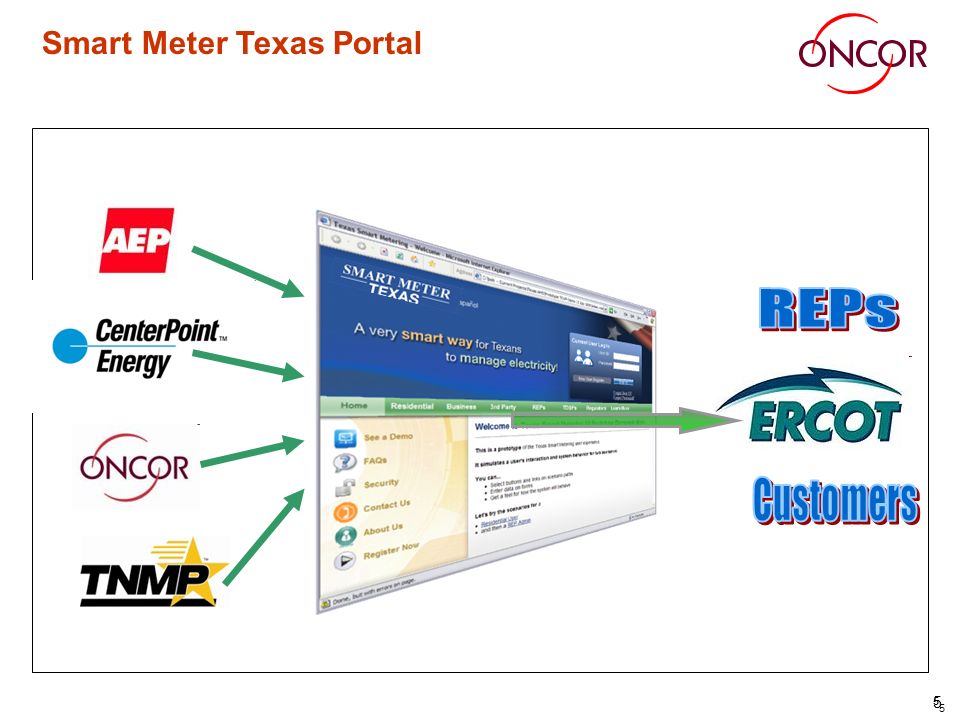
Today, the Public Utility Commission of Texas (PUCT) approved recommended improvements to streamline the Smart Meter Texas (SMT) portal at the Commission’s open meeting. Texas will update the Smart Meter Texas portal to be more in line with national standards such as Green Button, which provides a standardized data format for software developers to develop application programming interfaces (APIs) with the system.
Compared to the regulated world of utilities, the Cambridge Analytica incident feels like the Wild West of data sharing. While technical topics such as XML are involved with the sharing of energy data, the most important issue is not technical at all. Rather, it’s about consent: In online transactions, how can we make sure that customers know what they’re doing?
Now that energy data access is the law of the land for over 25 million utility customers, it is worth looking at how other sectors of the economy have handled issues of large-scale digitalization of personal records. In this post, we look at other industries both inside and outside the U.S. from the perspective of consumer data: How and when is it difficult to access, even when the customer’s permission is obtained? And what might the current state of data sharing in healthcare and personal finance portend about utility data in the years to come?
As we noted last fall, Smart Meter Texas (SMT) was ahead of its time -- a great concept, but poorly executed. But a comprehensive settlement agreement filed this week at the Public Utility Commission of Texas (PUCT) promises the most significant improvements to SMT since 2014.